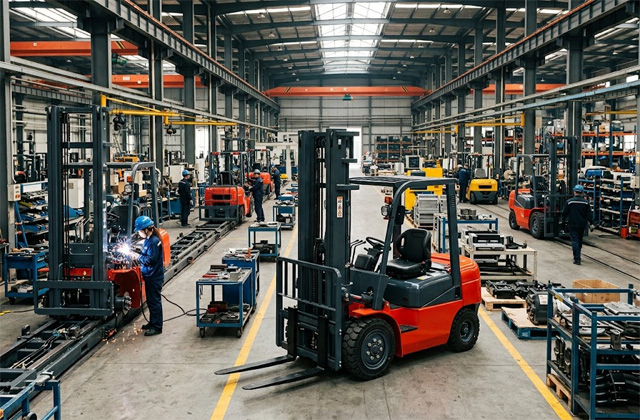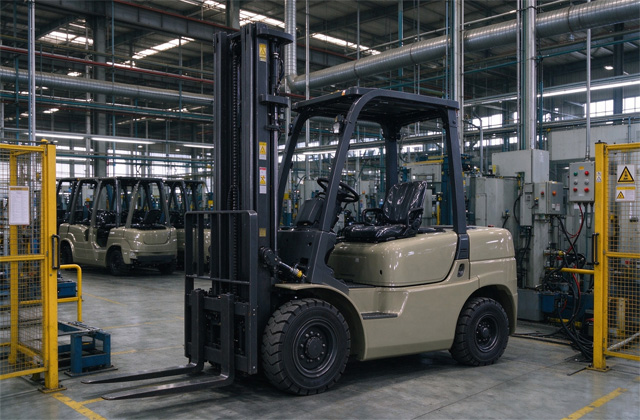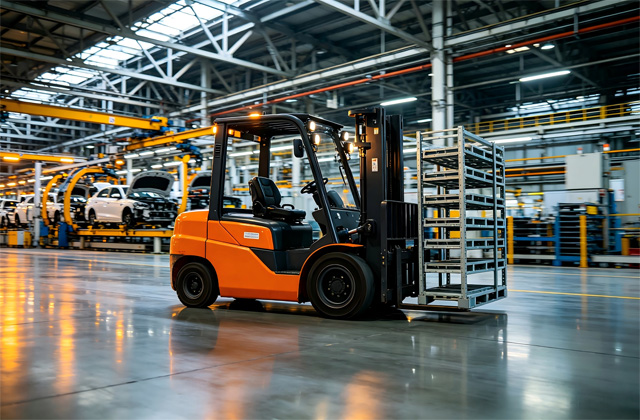
In modern industrial systems, forklifts are no longer just simple material handling tools, but vital links connecting warehousing, logistics, and manufacturing. A high-quality forklift manufacturer not only produces equipment but also provides efficient operational solutions for businesses. From workshops to warehouses, from ports to supermarkets, forklifts are ubiquitous, and behind this lies the continuous innovation and upgrading of forklift manufacturers.
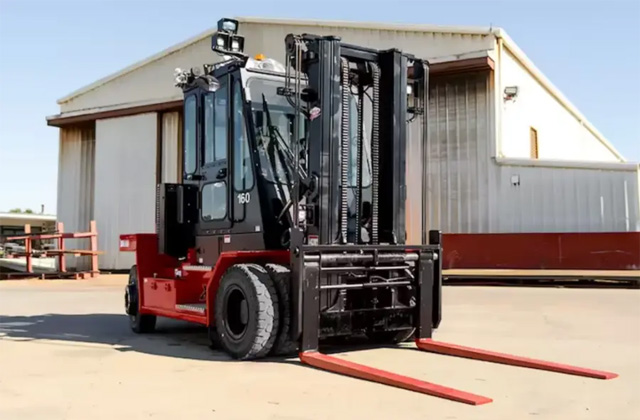
The development of forklift manufacturers is inseparable from the driving force of industrialization. As automation and intelligence become increasingly prevalent, traditional forklift production models are undergoing profound changes. Today's manufacturers not only need strong manufacturing capabilities but also comprehensive strengths in technology research and development, system integration, and after-sales service. Only in this way can they stand out in the fierce market competition and provide customers with more valuable products.
In terms of product types, forklift manufacturers typically cover multiple series, including internal combustion forklifts, electric forklifts, warehouse forklifts, and special-purpose forklifts. Different types of forklifts are suitable for different working scenarios; for example, electric forklifts are suitable for indoor operations, while internal combustion forklifts are more suitable for complex outdoor environments. Manufacturers need to continuously adjust their product structure according to market demands to meet diverse usage needs.
On a technological level, modern forklift manufacturers are increasingly emphasizing energy conservation, environmental protection, and intelligent control. The widespread adoption of electric forklifts is a prime example, reducing emissions and operating costs. Simultaneously, the integration of intelligent systems enhances forklift safety and ease of operation. Features such as automatic speed limiting, intelligent obstacle avoidance, and remote monitoring are gradually becoming standard.
It's worth noting that excellent forklift manufacturers often possess comprehensive quality control systems. From raw material procurement to production processes and final vehicle inspection, every step requires strict control. Only by ensuring stable product quality can they earn the long-term trust of customers. For many companies, choosing a reliable forklift manufacturer is more important than simply comparing prices.
Among numerous manufacturers, Shuangchao Machinery has gradually established a strong reputation in the industry thanks to its solid manufacturing foundation and continuously progressive technological philosophy. Its products not only focus on performance but also consider durability and user experience, making them popular with many enterprise users. Whether for standardized equipment or customized needs, Shuangchao Machinery can provide professional solutions.
The core competitiveness of forklift manufacturers is also reflected in their service systems. Equipment sales are just the beginning; subsequent maintenance, upkeep, and spare parts supply are equally crucial. Some leading manufacturers have established service networks covering the entire country and even globally, enabling them to respond to customer needs in the shortest possible time and minimize losses due to equipment downtime.
With the rapid development of the warehousing and logistics industry, the application scenarios for forklifts are constantly expanding. For example, the demand for high-density storage in e-commerce warehouses has led to the increasing popularity of narrow-aisle forklifts and automated guided vehicles (AGVs). This places higher demands on forklift manufacturers, requiring them not only to improve product performance but also to possess system integration capabilities and seamlessly integrate with warehouse management systems.
In manufacturing, modern forklift manufacturers are increasingly focusing on lean management. By introducing automated production lines and digital management systems, manufacturers can significantly improve production efficiency while reducing human error. This shift not only improves product consistency but also makes delivery cycles more controllable.
Environmental policies are also profoundly influencing the development direction of the forklift industry. More and more manufacturers are increasing their investment in new energy technologies, such as the research and application of lithium battery forklifts. Compared to traditional lead-acid batteries, lithium batteries have advantages such as faster charging, longer lifespan, and lower maintenance costs, and are becoming a new trend in the industry.
In the international market, Chinese forklift manufacturers are gradually demonstrating strong competitiveness. With a well-developed supply chain system and continuously improving technology, many companies have successfully entered markets in Europe, America, and Southeast Asia. Companies like Shuangchao Machinery are also continuously expanding their overseas business, promoting high-quality Chinese-made products to a wider stage.
For buyers, choosing a forklift manufacturer requires considering multiple factors. Besides price, brand strength, technological capabilities, after-sales service, and product reputation are also important. A good manufacturer can save companies significant hidden costs and improve overall operational efficiency during use.
In the future, the forklift industry will continue to develop towards intelligent and green technologies. Unmanned forklifts and automated warehousing systems will gradually become more widespread, and traditional forklift manufacturers will need to continuously transform and upgrade to adapt to the new market environment. In this process, technological innovation will become a key factor in determining success or failure.
At the same time, the increasing demand for personalization is also prompting manufacturers to focus more on customized services. Different industries and different scenarios have different requirements for forklifts, and standardized products can no longer fully meet these needs. Manufacturers with customization capabilities will have a greater competitive advantage in the market.
In terms of talent, forklift manufacturers also need to continuously introduce and cultivate professional technicians. From mechanical design to electronic control systems, from software development to after-sales service, every link relies on the support of professional personnel. Only by establishing a sound talent system can enterprises achieve sustainable development.
In the long run, forklift manufacturers are not only equipment suppliers but also providers of logistics solutions. Integrating equipment, software, and services to help customers achieve overall efficiency improvements is the future direction. This transformation will also redefine the value of the forklift industry.
In summary, forklift manufacturers play an indispensable role in the modern industrial system. From product manufacturing to technological innovation, from service systems to market expansion, every link reflects the industry's development level. Companies like Shuangchao Machinery, which continuously pursue quality and innovation, are a vital force driving industry progress.
In future competition, only forklift manufacturers that truly understand customer needs and continuously upgrade their technology will remain invincible in the market. For the entire industry, this healthy competition will also bring about a more efficient, intelligent, and green development pattern.