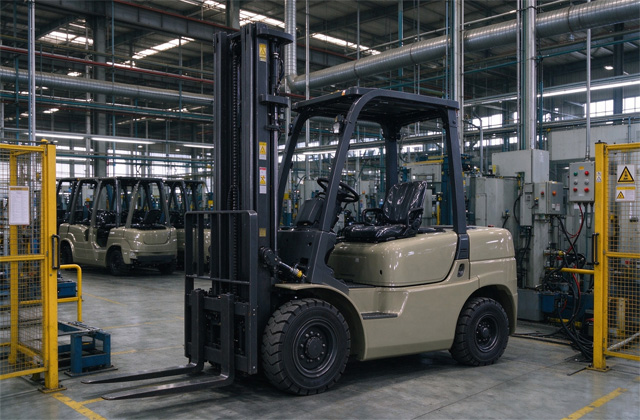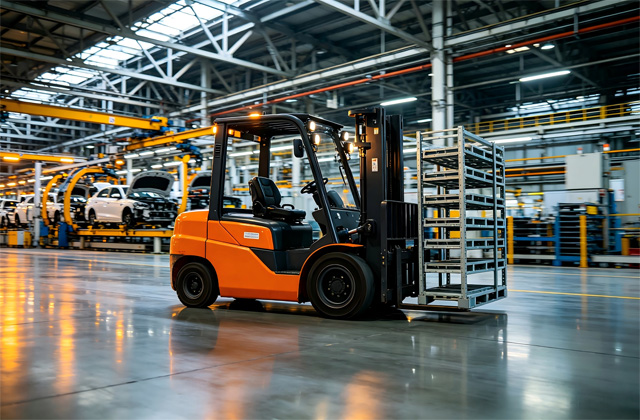
In factories, warehouses, and logistics parks, different material handling tasks impose varying requirements on forklifts. Some operations require high-level stacking, others involve handling long materials, and some demand agile maneuvering within narrow aisles. Since standard models may not meet every need, an increasing number of enterprises are turning to manufacturers that offer customized forklift solutions to enhance handling efficiency through optimized configurations.
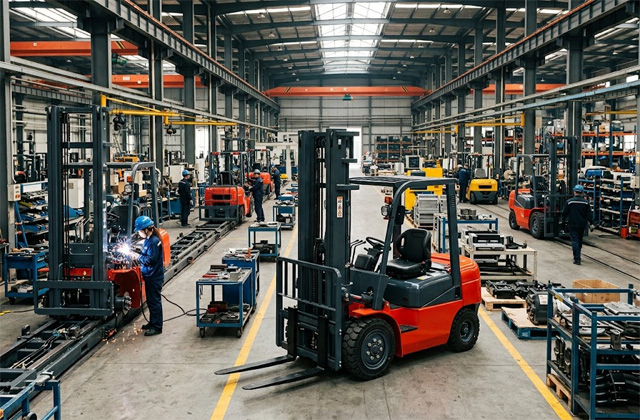
I. What to look for when choosing a forklift manufacturer?
A reputable forklift manufacturer should do more than just supply equipment; they should also assist in selecting the right model based on the enterprise's specific operating conditions.
When purchasing, focus on three key areas: whether the product type meets operational needs; whether the configuration can be tailored to cargo dimensions, load weight, and site conditions; and whether there are reliable provisions for post-delivery maintenance, servicing, and spare parts supply.
When selecting a forklift, price should not be the sole consideration; the equipment's suitability for your specific work environment is paramount.
II. Forklift selection: Load capacity and lifting height are critical
While rated load capacity is a key parameter, staying within the nominal tonnage does not automatically guarantee safe handling.
Factors such as the cargo's center of gravity, fork length, lifting height, and attachment configuration can all affect actual load-bearing capacity. Before purchasing, clearly define the maximum cargo weight, dimensions, and center of gravity, and have the supplier verify the load requirements for the final configuration.
Additionally, select the mast type and vehicle model based on rack height, facility doorways, and aisle widths to avoid issues where the equipment cannot pass through or perform stacking tasks after delivery.
III. Electric or internal combustion forklifts?
Electric forklifts are commonly used in indoor warehouses and production workshops, offering advantages such as low noise levels and zero exhaust emissions during operation. Internal combustion forklifts are better suited for outdoor loading, unloading, and yard operations.
The choice should be based on a comprehensive assessment of operating hours, floor conditions, energy supply, and on-site ventilation requirements. Enterprises operating multiple shifts must also plan ahead for charging or refueling arrangements.
IV. Why is forklift customization needed for special operating conditions?
If a company needs to handle long steel products, oversized cargo, or irregularly shaped workpieces, it may be necessary to consider configurations such as extended forks, sideshifters, or fork positioners.
However, customization is not merely a matter of adding accessories. Changes in fork length or attachment weight can affect the forklift's effective load capacity; therefore, professional assessment is required, and the final technical specifications should serve as the definitive reference.
The goal of sensible customization is to tailor the forklift to actual operating conditions, rather than simply adding features indiscriminately.
V. Shuangchao Machinery: Focusing on actual needs and optimizing forklift configurations
Enterprises seeking a forklift customization provider may wish to explore the products and solutions offered by Shuangchao Machinery. During consultations, it is advisable to provide details such as cargo weight, dimensions, operating environment, lifting height, and daily operating hours in advance to facilitate the selection of the appropriate model and configuration.
When special masts, specialized attachments, or non-standard specifications are involved, technical parameters, acceptance criteria, delivery timelines, and the scope of after-sales service should be clearly defined beforehand. Specific product details and customization capabilities are subject to the information provided directly by Shuangchao Machinery.
When selecting a forklift customization manufacturer, one should look beyond tonnage and price quotes, considering factors such as load capacity, power source, operating space, special configurations, and long-term maintenance.
Conducting a thorough assessment of operating conditions and maintaining open communication with the supplier prior to purchase helps minimize selection errors, ensuring the forklift truly meets the company's handling needs and enables safer, more efficient material transport.